
Frogs of Borneo

Frogs of Borneo

Frogs of Borneo

Frogs of Borneo

Frogs of Borneo

Frogs of Borneo

Frogs of Borneo

Frogs of Borneo

Frogs of Borneo

Frogs of Borneo

Frogs of Borneo
Smooth-skinned Warted Tree Frog
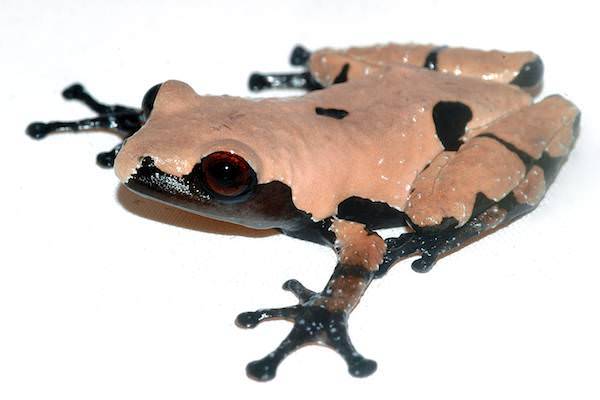
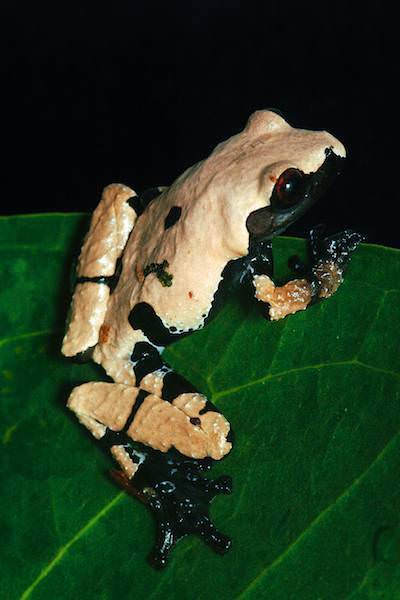
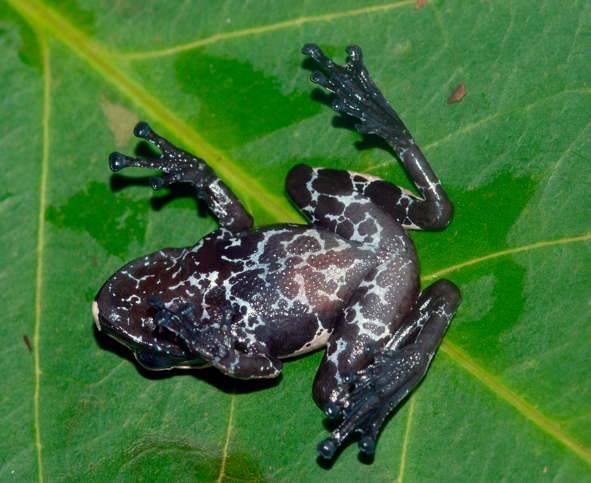
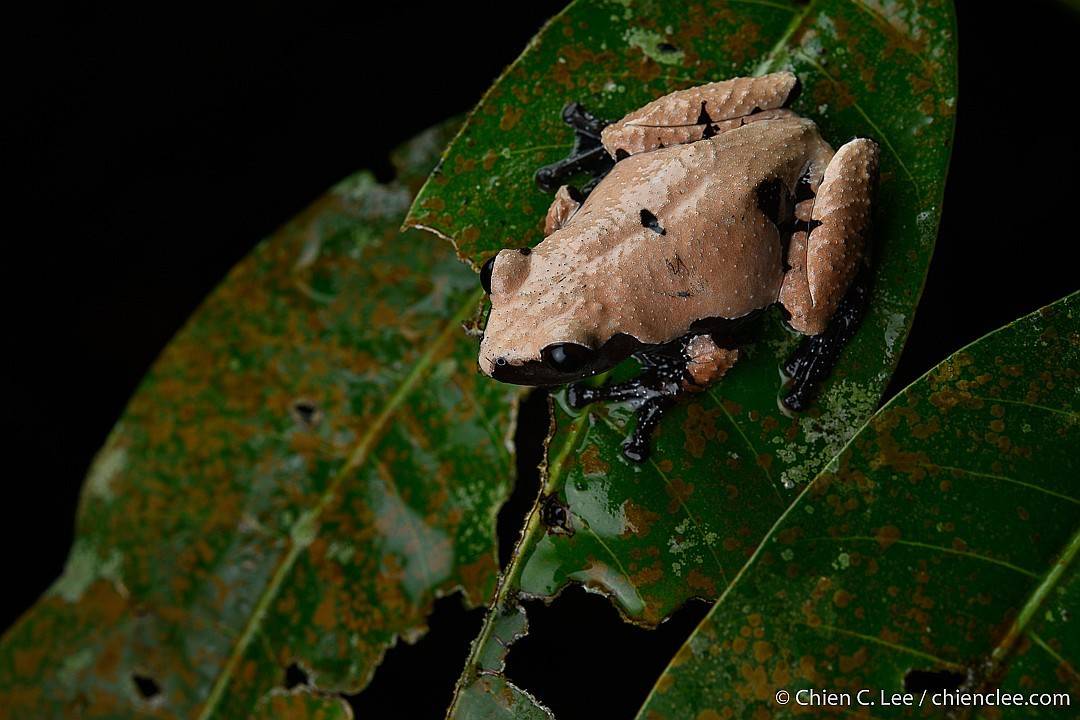
Theloderma licin was originally described in 2007 from the type locality Kuala Tahan, Taman Negara (03°40′12″ N, 102°44′34″ E), Pahang State, Peninsular Malaysia, at an elevation of 82 m a.s.l. Since the original description, only a small number of additional records have been documented from Sarawak, Sabah, and Kalimantan. In general, it is a lowland and hillside forest species as far as we know today.
This is a relatively small species, with males reaching 28–30 mm and females 28–31 mm in snout–vent length. The body is moderately stocky, and the limbs are of moderate length. The head is relatively flat, and the snout tapers to a narrowly rounded tip in dorsal view. The canthus rostralis is smooth. All digits terminate in rounded, well-developed adhesive pads. The fingers bear lateral dermal fringes and basal webbing, and three oval metacarpal tubercles are present. The toes are webbed to the base of the expanded tips. The foot has a distinct oval inner metatarsal tubercle, while the outer metatarsal tubercle is absent. The supratympanic fold is thin and indistinct. The tympanum is distinct but partially obscured by a black mask extending from the snout to the armpit. The skin texture is mostly smooth, with scattered small tubercles that are tipped with white.
This species is distinctly bicolored. The dorsal surface is sand-colored, pinkish cream, or reddish brown, with prominent black markings originating at the groin and extending onto the pelvic region. Black pigmentation also extends from the lateral snout over the eye, armpit, and flank to the groin. Additional black markings may be present on the limbs. The ventral surface is predominantly black with white marbling. The iris is dark reddish brown.
The biology, lifestyle, and reproductive behavior of this species remain unknown. However, it is likely that it shares the phytotelma breeding habits of its close relatives.